
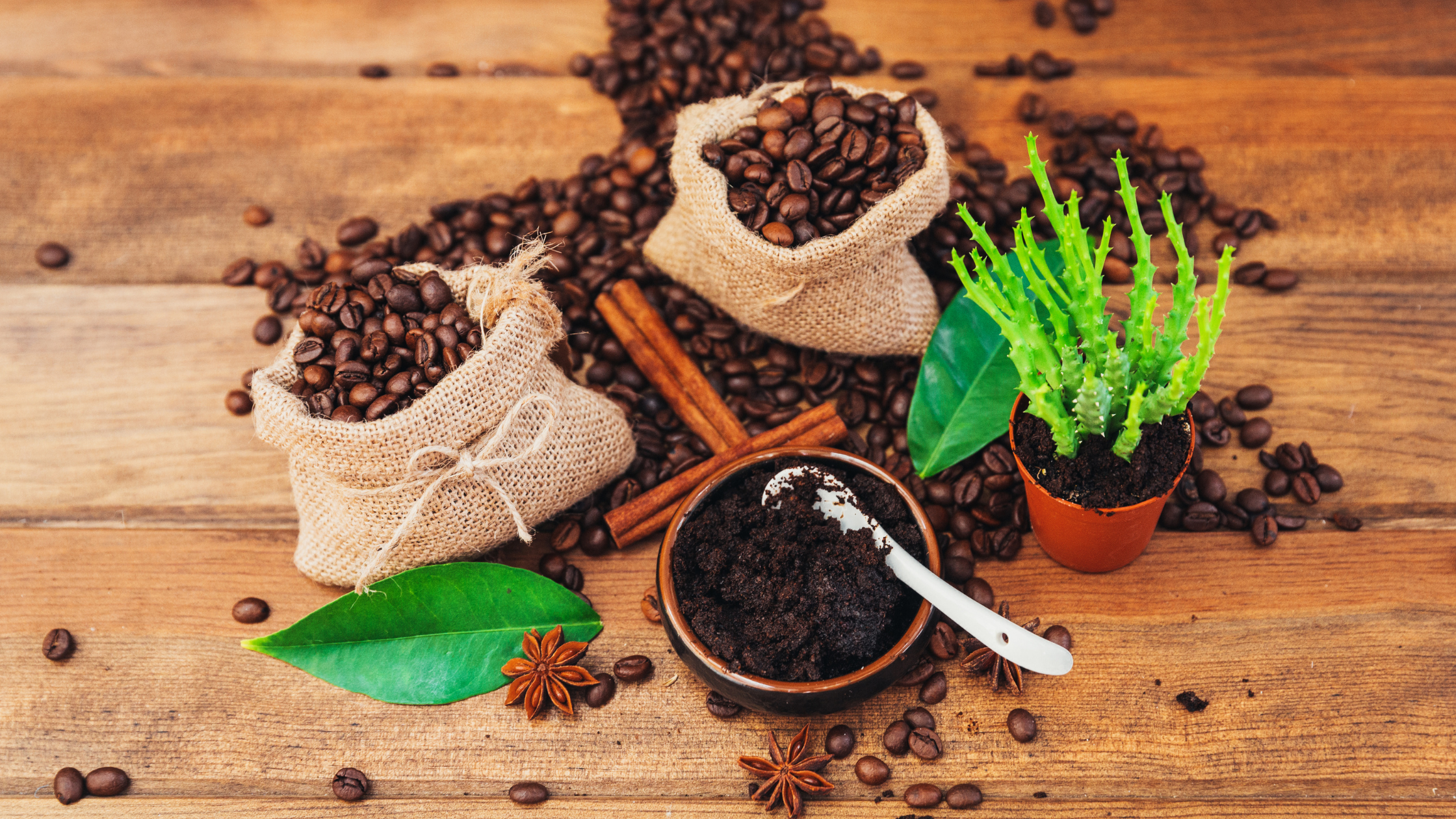
What to do with Used Coffee Grounds in Garden
Every morning, you make a pot of coffee. You pour the cup. And then, without thinking about it, you walk the filter over to the trash can and drop it in. It’s a reflex. It takes three seconds. And for most people, it happens 365 times a year.
What also happens 365 times a year is that you throw away something worth keeping. Not in a sentimental way. In a practical, measurable, costs-you-money-to-replace-it way. Your used coffee grounds are not garbage. They never were. And once you know what they actually do, you won’t be able to throw them away the same way again. Let’s find out what to do with used coffee grounds in garden.
What the Fertilizer and Skin Care Industries Don’t Want You to Figure Out
Garden centers sell a processed, packaged version of what’s sitting in your coffee filter for up to $14 a pound. Skin care companies put it in jars and charge $40. Pest control services charge $150 for a visit to handle problems that a bowl of the stuff you’re already producing can solve.
None of that is new science. Agricultural researchers have been documenting the usefulness of spent coffee grounds since the early 1900s. Traditional farming communities in Japan, Ethiopia, and Korea have used them for generations — as fertilizer, pest deterrent, and skin care — as a matter of everyday practice, not as a discovery.
There’s no mystery about why this knowledge faded in America. There’s simply no profit in telling you to keep your kitchen scraps. The business model requires you to buy the bag, use the product, and throw it away so you need to buy another bag. That cycle breaks the moment you realize the raw material is already in your hand every morning.
What Your Grandparents Already Knew About Coffee Grounds
Before convenience culture turned everything into a disposable product, used coffee grounds had a second life in most households. Here’s what that second life looked like — and still can.
- As a garden fertilizer: Used coffee grounds contain nitrogen, phosphorus, and potassium. Those are the exact same three nutrients listed on every bag of commercial fertilizer at the garden center. The difference is that grounds release them slowly over several weeks, which means steady feeding instead of a concentrated hit that can burn roots if you overdo it. They also carry a slightly acidic pH of 6.0 to 6.5 — precisely the range that tomatoes, blueberries, roses, and most vegetables prefer. You may have bought bags of soil acidifier specifically to hit that number. The grounds hit it naturally, every day, for free.
- As a pest barrier: Slugs and snails travel on a layer of mucus. Rough, abrasive surfaces disrupt that movement enough that they simply avoid them. A ring of dry coffee grounds around a plant or raised bed works as a barrier they won’t cross. There’s also documented evidence from a Spanish research study that brewed coffee applied as a spray reduces aphid populations, offering a chemical-free alternative to store-bought insecticides.
- As a skin exfoliant: The particle size of used coffee grounds is almost ideally suited for removing dead skin cells. It’s fine enough not to scratch, coarse enough to work. This is why cosmetic manufacturers grind coffee specifically for high-end facial scrubs. Your used filter holds the same material.
- As an odor absorber: Dry coffee grounds absorb odors the same way activated charcoal does, through their porous structure. A small bowl placed in a refrigerator, a car, or a closed cabinet that smells like something it shouldn’t will clear up within 48 hours.
How to Get Started Using Them Today
None of this requires special equipment or planning. Here’s how to put used coffee grounds to work starting with your next pot of coffee.
- In the garden: Spread a thin ring of used grounds around the base of your plants — roughly a quarter inch deep and three inches out from the stem. Water it in afterward and then do this once a week with whatever you produce naturally. Don’t pile them thick in one spot; the goal is a light, even distribution, not a concentrated dump. Think of it the way you’d season food — light and spread, not heavy and concentrated
- For pest control: For slugs, create a half-inch ridge of dry grounds around any bed or plant you want to protect. For aphids, mix two tablespoons of used grounds with a quart of water, let it steep overnight, strain it through a cloth, and spray the undersides of leaves in the morning.
- For your skin: Mix a small amount of used grounds with just enough coconut oil or olive oil to bind them into a paste. Use it as you would any scrub — gently, in circular motions. Rinse well. That’s the whole recipe.
- For storage: This is where most people get tripped up. Wet grounds left in a container will mold within a few days. The fix is simple: spread your used grounds on a baking sheet and let them air dry for 24 hours before sealing them in a container. Alternatively, freeze them. They freeze without any loss of quality and thaw in about ten minutes when you’re ready to use them.
- Which plants to avoid: Most plants benefit from grounds or are unaffected by them. The exceptions are plants that prefer alkaline soil — lavender, lilac, and asparagus among them. If you’re unsure, skip those beds and give the extra grounds to a neighbor with tomatoes.
If you’d prefer to watch this information rather than read it, then the full video covers all of this in detail — [watch the full video here]. Seeing the amounts and application methods demonstrated used coffee grounds in garden makes it easier to get right on the first try, especially for the pest control spray and the storage process.
Your grandparents didn’t need a $40 jar or a $14 bag. They needed a coffee filter and the knowledge of what to do with it. That knowledge was never lost because it was just quietly stopped from being passed down, because passing it down doesn’t generate a sale. It belongs to you. It always did. Start tomorrow morning.